Safety Zone (Access Control)
Give each worker the zones they may enter. GNSS/RTK positioning spots anyone entering a hazardous area or staying too long, and alerts them on their phone or tablet at once. No fixed infrastructure.

Solution
What it does
Alerts before entry
The alert fires as a worker approaches a hazardous area, before they step inside.
Zones by activity
Assign workers to an activity and the zones it needs. Leaving them raises an alert.
Alert history
Every alert is recorded, so you see how risk on site changes over time.
Riskiest zones first
See which area raises the most alerts and act there first.


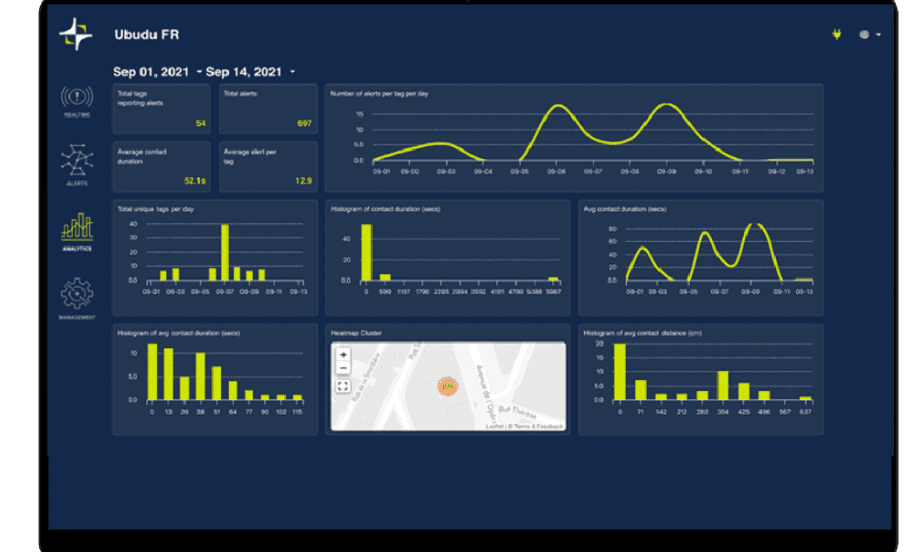
Monitor risk across your site
Alert totals, the daily trend and the machine or area behind each alert, on one screen.
Key features
Prevent accidents before they happen
Safety alerts
Vibration or sound on a smartphone or tablet.
Assigned zones
Per-worker zones for site access control.
Automatic audit
Accident risk audited from the alerts raised.
Easy identification
See which worker is in which zone.
GDPR compliant
Purpose limitation, security, minimisation.
GNSS/RTK
Decimetre-level accuracy.
Real-time location
Alerts with low latency.
Infrastructure-less
No anchors, no cabling: the receiver is portable.


Hardware
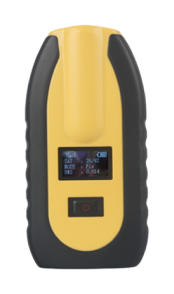
P1 GNSS Receiver
A compatible partner receiver: portable, rechargeable and accurate to the decimetre. Tracks GPS, GLONASS, BeiDou, Galileo, QZSS and SBAS.
Get startedIndustries
Where Ubudu RTLS fits
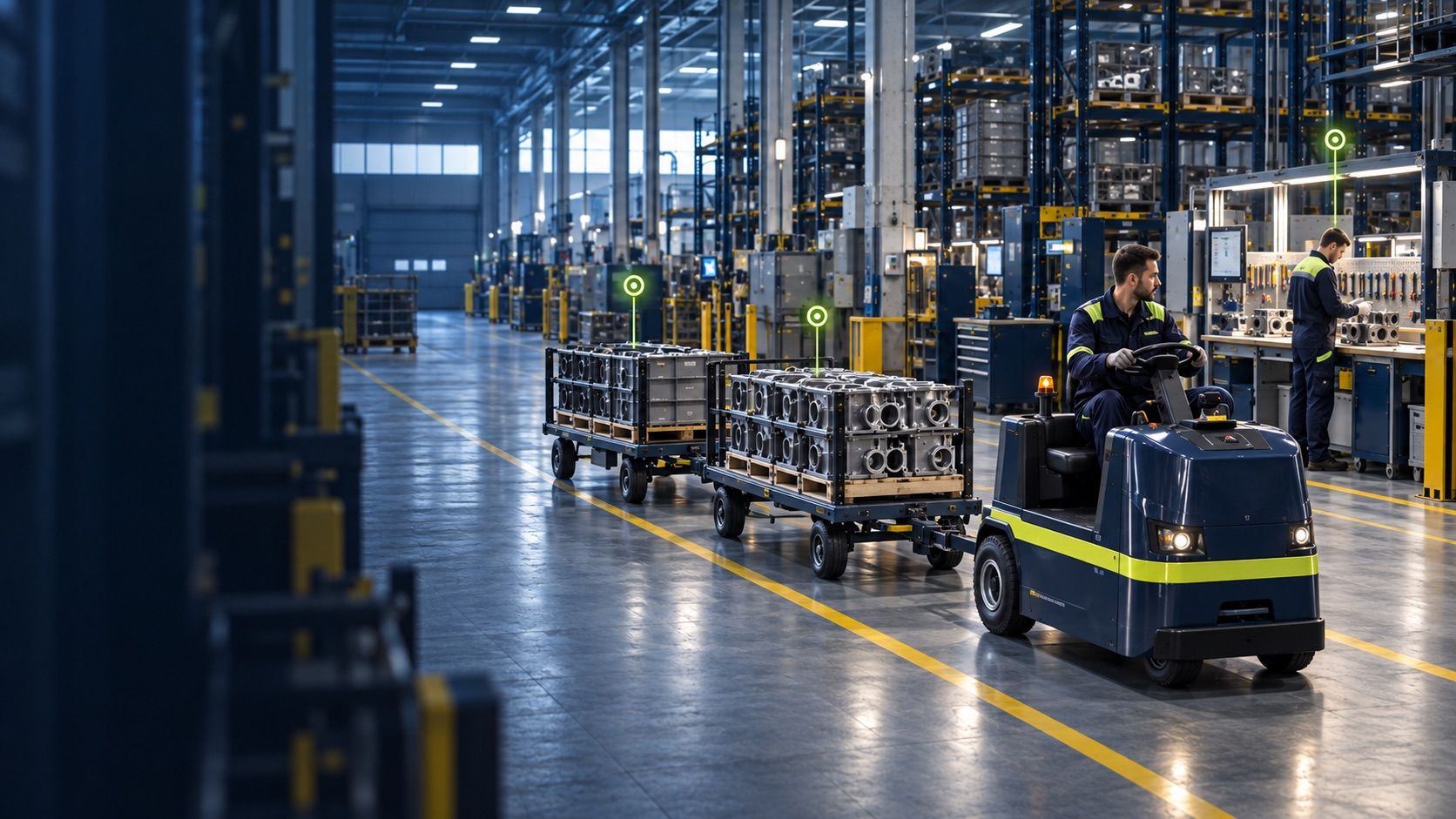
RTLS for Manufacturing & Logistics
Make operations more efficient by optimising flows and increasing visibility on production.

RTLS for Quick Service Restaurant
Stop waiters wasting time searching for customers at their table and make the experience more seamless.
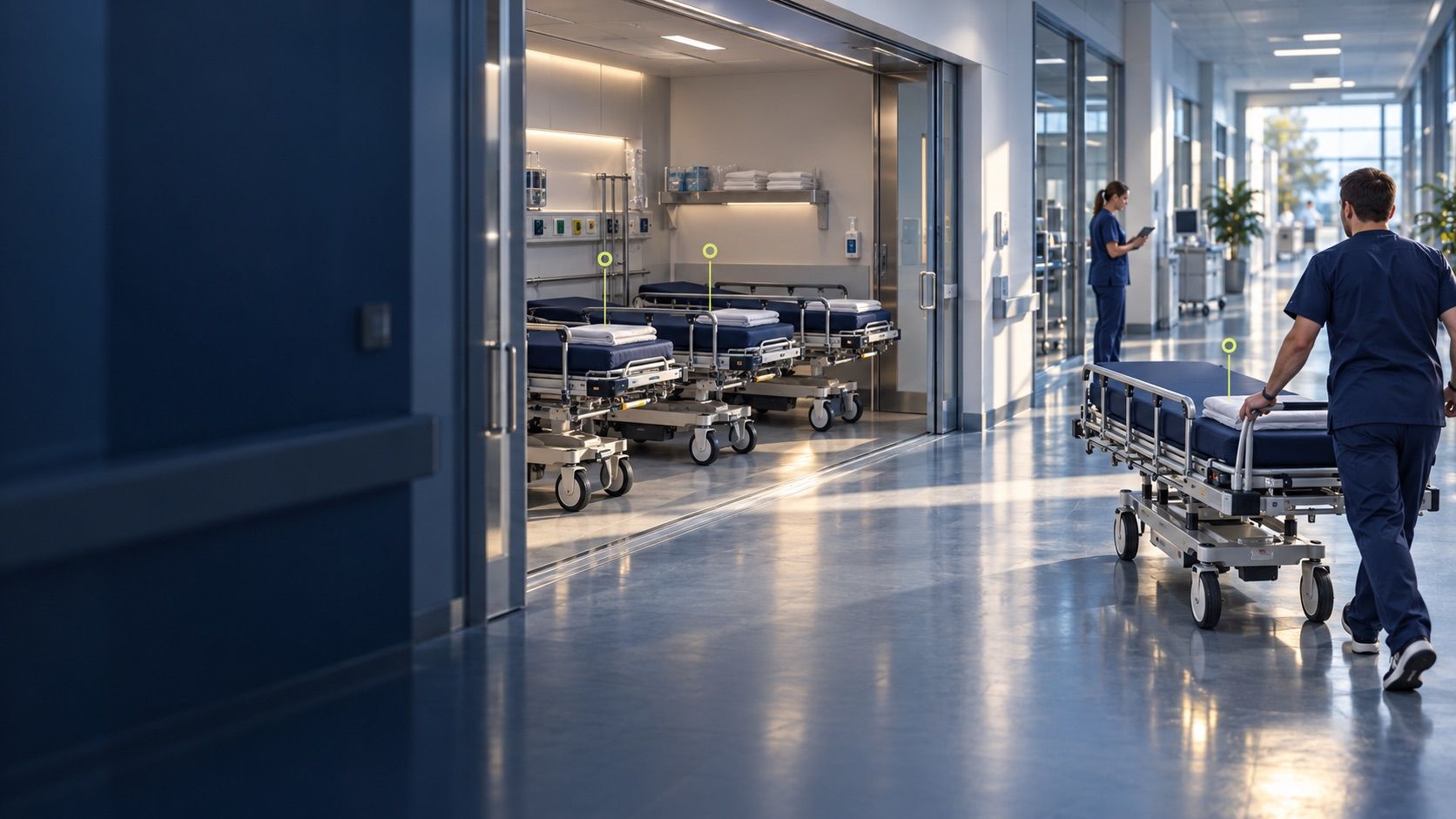
RTLS for Healthcare
Help staff find the equipment they need, cut yearly spend on new kit and improve patient satisfaction.
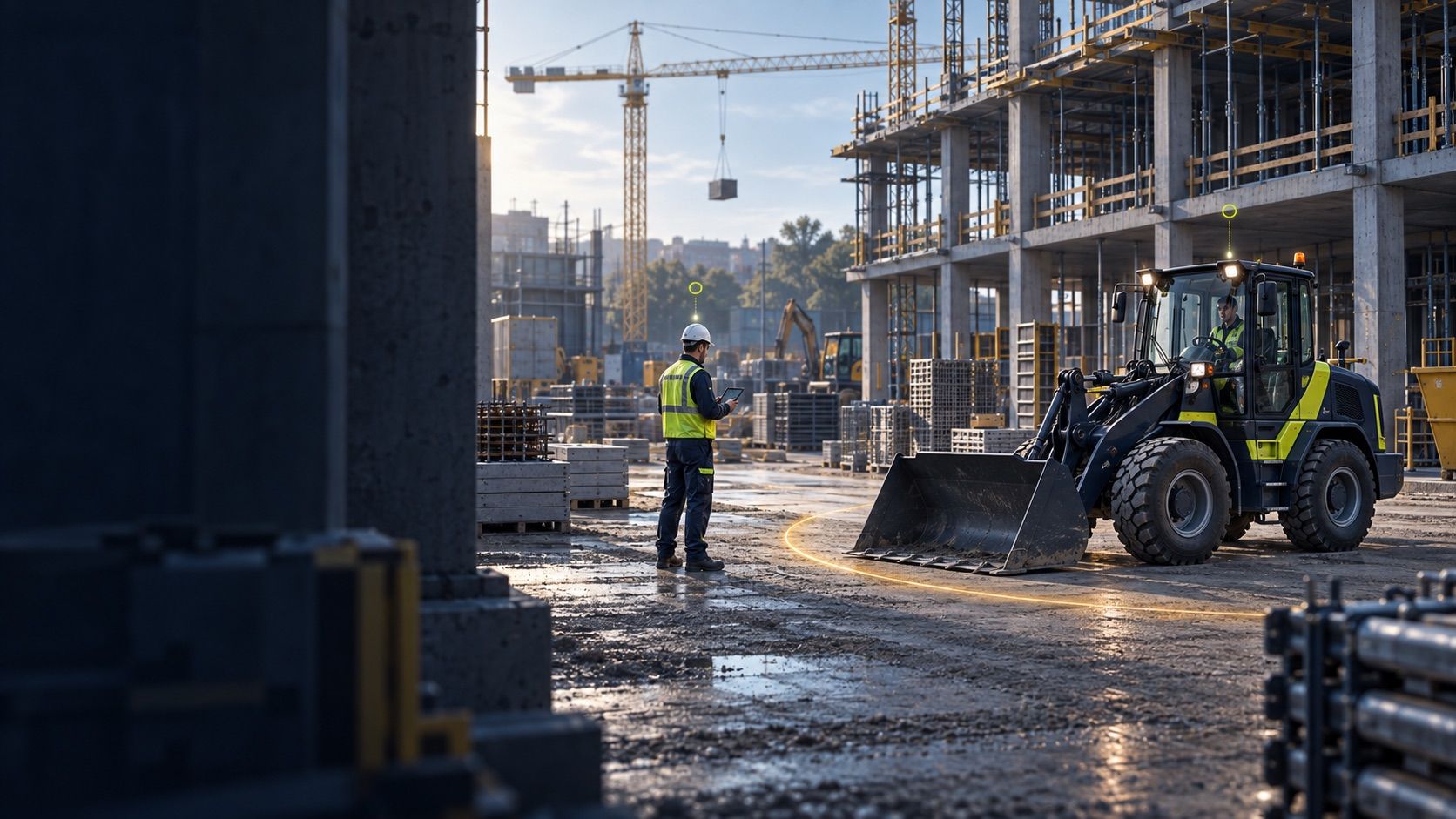
RTLS for Construction
Get more from expensive machinery on-site and reduce the risk of accidents from collisions or hazardous zones.
How does access control work?
You define zones and assign workers to them. GNSS/RTK positioning detects anyone in a hazardous zone or staying there too long, and sends a real-time alert to their smartphone or tablet.
Does it need fixed infrastructure?
No. A portable GNSS/RTK receiver and a smartphone or tablet are enough.
What accuracy does it provide?
Decimetre-level positioning with GNSS/RTK.
Which satellite systems are supported?
GPS, GLONASS, BeiDou, Galileo, QZSS and SBAS.